


If your kidneys have permanently stopped working, a kidney transplant may offer a better long-term solution than dialysis. If you are looking for Kidney Transplant Treatment in Ahmedabad , choosing an experienced transplant team can improve your chances of a safe surgery and a healthy recovery.
At Kidney Cure Hospital, our experienced nephrologists and transplant surgeons provide complete care before, during, and after Kidney Transplant Surgery in Ahmedabad. From evaluating donors and recipients to long-term follow-up, every step is carefully planned to help patients achieve the best possible outcome. Our focus is on safe treatment, personalised care, and helping patients return to a healthier life.
A kidney transplant is a surgery that replaces a damaged kidney with a healthy kidney from a donor. It helps restore kidney function and improves quality of life for many patients with kidney failure.
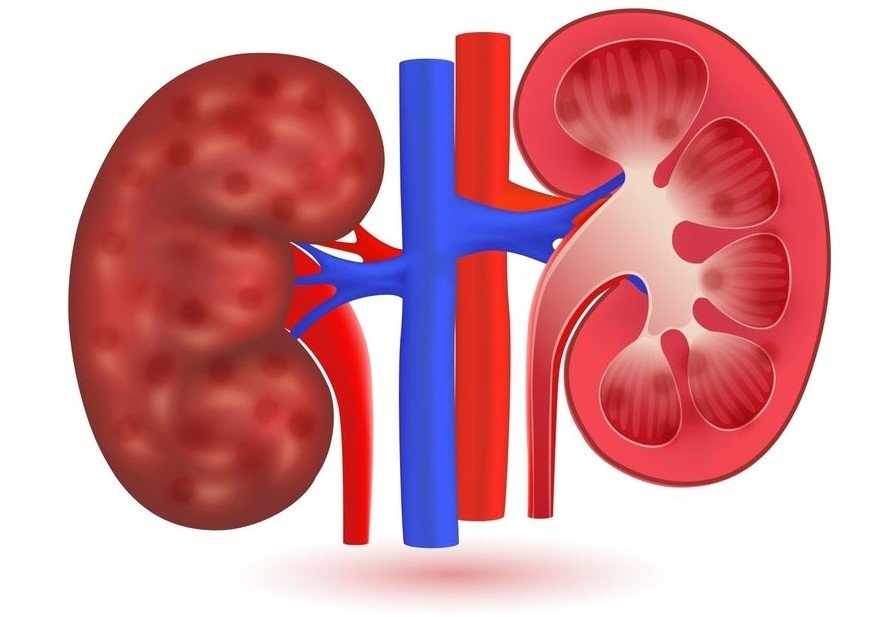
Healthy kidneys remove waste, balance fluids, and regulate important minerals in the body. When the kidneys fail permanently, these functions cannot be performed effectively. A Renal Transplant replaces the failed kidney with a healthy donor kidney, allowing it to take over these essential functions.
A kidney transplant is considered one of the most effective forms of Renal Replacement Therapy for suitable patients with end-stage kidney disease. While not everyone is eligible, many patients experience greater independence and better long-term health compared to lifelong dialysis.
A kidney transplant is usually recommended for patients with permanent kidney failure. Your nephrologist will evaluate your overall health to determine if transplantation is the right option.
Patients who may benefit from Kidney Transplant Treatment in Ahmedabad include those with:
A kidney transplant is not necessary for all patients with kidney disease. A detailed medical evaluation helps determine whether transplantation is safer and more beneficial than continuing dialysis.
Kidney transplants can be performed using different types of donor kidneys. The best option depends on donor availability, medical compatibility, and your overall health.
Living Donor Kidney Transplant
A living donor transplant uses a healthy kidney donated by a living family member or another medically suitable donor. It often provides excellent long-term results.
Because the donor kidney is transplanted soon after removal, it usually starts working quickly. Living donor transplants also reduce waiting time and can often be planned in advance.
Many patients choose living donor kidney transplants in Ahmedabad because it offers shorter waiting periods and good long-term kidney function.
Cadaver Kidney Transplant
A cadaver kidney transplant uses a kidney donated by a person after brain death with family consent. It provides another treatment option for patients without a living donor.
The national organ allocation guidelines are followed in the allocation of these kidneys. Waiting times vary depending on blood group, medical urgency, and organ availability.
Patients considering a cadaver kidney transplant in Ahmedabad should discuss waiting times and eligibility with their transplant team.
Swap Kidney Transplant
A kidney swap transplant helps patients who have a willing donor but are medically incompatible. Two or more donor-recipient pairs exchange kidneys to improve compatibility.
For example, if one donor is incompatible with their intended recipient but compatible with another patient, both families may benefit through a paired kidney exchange.
A Swap Kidney Transplant in Ahmedabad has helped many patients receive a suitable transplant who otherwise might have remained on dialysis for years.
ABO Incompatible Kidney Transplant
An ABO incompatible kidney transplant allows transplantation even when the donor and recipient have different blood groups. Special treatment reduces the risk of rejection before surgery.
Advances in transplant medicine have made ABO Incompatible Kidney Transplant in Ahmedabad possible for carefully selected patients.
Before surgery, patients receive specialised treatment to lower antibodies that may attack the donor kidney. Careful monitoring after transplantation is equally important for successful outcomes.
A kidney transplant involves careful planning before surgery, the transplant operation itself, and long-term follow-up after recovery. Every stage is important for achieving a successful outcome.
The kidney transplantation procedure begins with a detailed evaluation of both the donor and recipient. Blood tests, tissue matching, imaging studies, heart evaluation, and infection screening help determine whether transplantation is safe.
During Kidney Transplant Surgery in Ahmedabad, the donated kidney is placed in the lower abdomen. In most cases, the patient's own kidneys are not removed unless there is a specific medical reason. The surgeon connects the donor kidney to nearby blood vessels and the urinary bladder so it can begin producing urine.
Following surgery, patients remain under close observation while the transplant team monitors kidney function, blood pressure, urine output, and overall recovery.
A successful kidney transplant can improve both life expectancy and quality of life. Many patients can return to work, travel, and enjoy everyday activities with fewer restrictions than dialysis.
Compared with long-term dialysis, kidney transplantation may offer several advantages, including:
Although transplantation offers many benefits, it also requires lifelong follow up and regular medicines to help protect the transplanted kidney.
A kidney transplant is only the beginning of your recovery. Regular follow-up and lifelong care help protect your new kidney and reduce the risk of complications.
After surgery, your transplant team closely monitors how well your new kidney is working. During the first few months, follow-up visits are more frequent because this is when the risk of complications is highest.
Your post-kidney transplant care in Ahmedabad may include:
Taking your medicines exactly as prescribed is one of the most important ways to protect your transplanted kidney.
A successful kidney transplant requires teamwork between nephrologists, transplant surgeons, and experienced support staff. Choosing a dedicated transplant centre helps ensure safe care before, during, and after surgery.
At Kidney Cure Hospital, we provide comprehensive transplant care under one roof. From transplant evaluation to long-term follow-up, every stage is managed with careful planning and personalised attention.
Patients choosing our Kidney Transplant Hospital in Ahmedabad benefit from:
Our goal is not only to perform a successful organ transplant but also to help patients enjoy better long-term kidney health and an improved quality of life.
If you have kidney failure and want to know whether a transplant is the right option, consult an experienced transplant nephrologist. Early evaluation can help you understand your treatment choices and prepare for transplantation. Whether you are exploring a Living Donor Transplant, waiting for a deceased donor kidney, or looking for a second opinion, our team provides complete guidance throughout your transplant journey.
Patients with permanent kidney failure who are medically fit for surgery may be eligible for a kidney transplant. Your nephrologist will perform a detailed evaluation before recommending transplantation.
For many suitable patients, a kidney transplant offers better long-term quality of life than lifelong dialysis. However, the right treatment depends on your overall health and medical condition.
Kidney transplant surgery usually takes around three to four hours. The exact duration depends on the patient's condition and surgical requirements.
Most patients stay in the hospital for about one week after surgery. Full recovery usually takes several weeks, although this varies from person to person.
Yes. Immunosuppressant medicines must be taken every day to help prevent rejection of the transplanted kidney.
Yes. Although many transplanted kidneys function well for years, rejection, infections, or other medical problems can affect kidney function over time.
A living donor transplant uses a kidney from a healthy living donor, while a cadaver transplant uses a kidney donated after brain death. Both are established treatment options for kidney failure.
Kidney transplant surgery is considered safe when performed in an experienced transplant centre. Like any major operation, it carries some risks that your surgeon will explain before treatment.
Many patients gradually return to work and daily activities within two to three months after surgery, depending on their recovery and medical advice.
A transplant evaluation includes blood tests, tissue matching, imaging studies, and a complete medical assessment to determine whether transplantation is suitable and safe.
Copyright © 2023 Kidney Cure Clinic & Dialysis Center. All Rights Reserved | Develop by Nexus